When your health and your family's future are on the line, you need a trusted trial attorney to fight for you. Rideshare accidents create a legal tangle that most people never see coming. Uber and Lyft carry large insurance policies, but which one applies, and how much of it, depends on facts that are not visible at the scene.
Sumner Law Group, LLC has combined legal experience of more than 50 years representing injured people across St. Louis. We prepare every case as though it will be tried, because a claim built that way is a different conversation with an insurer than one assembled after an offer arrives.
If you were hurt as a passenger, a driver, or someone struck by an Uber or Lyft vehicle, call us at (314) 669-0048 for a free case review. You do not owe us anything until we recover money for you.
Why Uber and Lyft Accident Claims Can Be Complicated
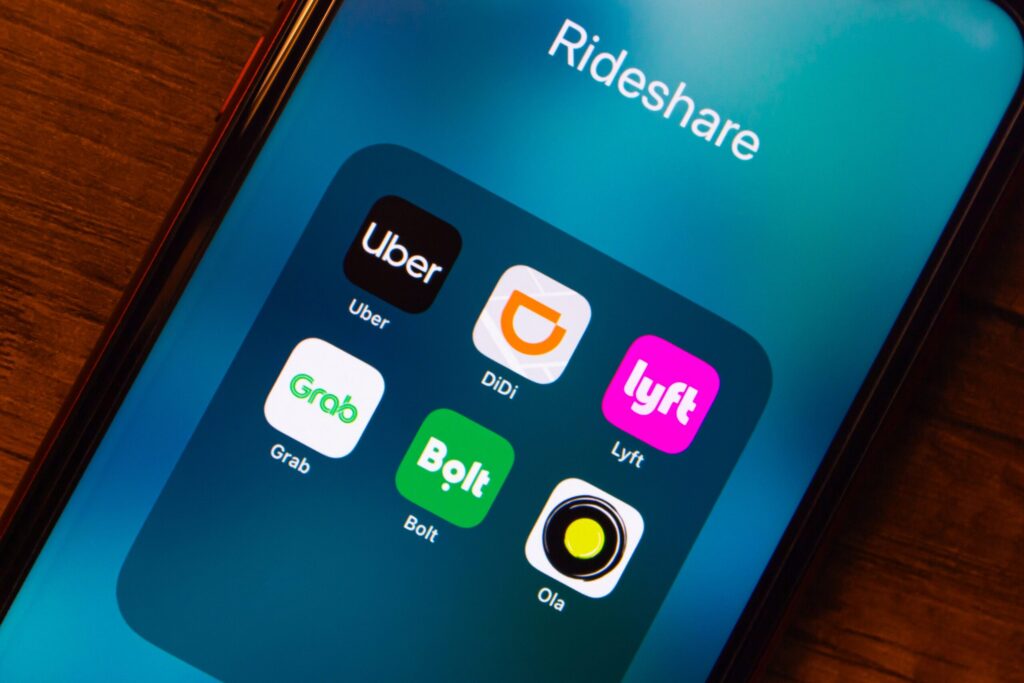
A rideshare collision may look like an ordinary motor vehicle accident at the scene. However, the insurance claim can be much more complicated.
The coverage available after an Uber or Lyft crash depends in part on what the driver was doing within the rideshare platform when the collision occurred. Missouri law establishes different insurance requirements for a driver who is logged into the platform and waiting for a request and a driver who is engaged in a prearranged ride.
That means an investigation may need to determine:
- Whether the driver was logged into the app
- Whether the driver had an accepted ride request
- Whether the driver was traveling to pick up a passenger
- Whether a passenger was already in the vehicle
- Which insurance policies covered the vehicle and driver
- Whether another driver contributed to the collision
- Whether the available coverage is sufficient to compensate for the injuries
These questions can affect which insurer must respond to the claim and how much coverage may be available. A rideshare accident lawyer can investigate those issues before you agree to a settlement that may not account for the full value of your losses.
If you were injured in a St. Louis rideshare crash, our legal team at Sumner Law Group is ready for a free case review today.
How Does Uber and Lyft Insurance Coverage Work in Missouri?
Coverage turns on the driver's status on the platform at the moment of the crash, and Section 379.1702 sets the minimums for each period. The applicable coverage changes depending on the driver's status at the time of the accident.
The coverage generally falls into these categories:
- When transporting a passenger or on the way to pick one up: at least $1 million for death, bodily injury, and property damage, plus uninsured motorist coverage at the limits set by Section 379.203.
- If the driver had the app on but hadn't yet accepted a ride request: at least $50,000 bodily injury per person, $100,000 bodily injury per incident, and $25,000 property damage, again with uninsured motorist coverage at the Section 379.203 limits.
- If the driver was logged out of the app entirely: None of the rideshare company's insurance applies. The claim runs through the driver's personal auto policy, just like any other car accident.
Those are statutory floors, not ceilings. The platforms' actual commercial policies, including any contingent collision coverage, may provide more, which is one reason the policy documents matter as much as the statute.
Figuring out exactly which of these three scenarios applies and proving it usually requires pulling trip data, app logs, and driver account records from Uber or Lyft. That material is produced through formal legal demands and, where necessary, litigation. Do not assume the first insurance company that contacts you is the only source of compensation.
Call (314) 669-0048 to reach one of our St. Louis Uber & Lyft accident lawyers and review those policies to determine which insurers may have obligations.
Call Us Now! Your Time to
File a Claim Is Limited.
Who Can Be Liable for a St. Louis Uber or Lyft Accident?
Liability for rideshare crashes depends on what caused the collision and the relationship between the parties involved. Potentially responsible parties may include:
- The Uber or Lyft driver: A rideshare driver may be liable when their negligent driving, such as speeding, distraction, impairment, or failing to yield, causes the collision. The driver's status on the rideshare platform can also affect which insurance coverage applies.
- Another motorist: If another driver caused the crash, that driver's insurance may be responsible for the resulting injuries and losses. This can include a driver who was speeding, distracted, impaired, or otherwise violated traffic laws.
- A commercial vehicle driver or company: If a truck, delivery vehicle, or other commercial vehicle was involved, the driver and potentially the company may be responsible depending on the driver's conduct and the circumstances of the collision.
- The rideshare company: Uber or Lyft is not automatically liable simply because its application connected a driver with a passenger, though the company's insurance obligations may still provide coverage.
- A vehicle owner who negligently entrusted the vehicle: If someone allows another person to use a vehicle despite knowing that person is not fit or qualified to drive it, the vehicle owner may face liability when that decision contributes to an accident.
- A party responsible for a dangerous roadway condition: In some circumstances, a government entity, contractor, or other responsible party may be liable when a dangerous roadway condition contributed to the collision, subject to the legal requirements and limitations that apply to that type of claim.
Missouri sets out the driver's relationship to the platform in two places, and the detail matters. Under Section 387.416, a rideshare driver is not an agent of the company except when a written contract says otherwise.
Under Section 387.414, drivers are independent contractors rather than employees only if all four listed conditions are met, including that the company does not prescribe the hours a driver must be logged in, does not restrict the driver from using other platforms or working elsewhere, and has a written agreement to that effect. Independent contractor status is conditional, not automatic, and whether those conditions were actually met is a question worth developing rather than conceding.
We examine all relevant evidence that may show how the collision occurred. Potential evidence may include:
- Uber or Lyft trip records
- Driver application activity
- Ride-request information
- GPS and location information
- Pickup and drop-off records
- Dashcam footage
- Traffic-camera footage
- Business surveillance video
- Photographs of the vehicles and roadway
- Police reports
- Witness statements
- Vehicle damage and repair records
- Cellphone records where legally obtainable and relevant
- Medical records and bills
- Employment and wage records
If you need help identifying and preserving evidence after a rideshare crash, schedule a free case review today to start evaluating liability for your rideshare claim.
What Compensation Can You Pursue After an Uber or Lyft Accident?
The value and scope of a personal injury claim depend on the actual harm caused by the collision. A serious accident can affect a person's health, employment, household responsibilities, and ability to participate in ordinary activities for years.
Depending on the facts, damages may include:
- The documented cost of care connected to the crash
- Future care and equipment needs
- Lost wages
- Reduced future earning capacity
- Physical pain
- Emotional distress
- Disability or impairment
- Scarring or disfigurement
- Other losses supported by the evidence
The categories with no invoice attached yet are the ones that decide a claim's value. Future care and reduced earning capacity are established through records, employment history, and testimony, which takes time to assemble. Settling before that work is done sets the number using only the bills that happened to arrive first.
If your injuries have affected your health, income, or ability to live normally, Sumner Law Group can help you pursue both immediate and long-term losses.
How Missouri Comparative Fault Can Affect Your Recovery
Missouri follows a pure comparative fault system in personal injury cases. When more than one person is found responsible for an accident, the compensation awarded to an injured person may be reduced based on that person's percentage of fault. This rule comes from Missouri case law rather than a general statute, so a dispute over liability does not always end with a finding that one driver caused the crash.
For example, suppose an Uber driver runs a red light and strikes another vehicle, causing $100,000 in damages. The insurer may acknowledge that its driver was negligent but argue that the injured driver was traveling too fast and therefore contributed to the collision. If a court assigns 20 percent of the fault to the injured driver and 80 percent to the Uber driver, the injured driver's recovery is reduced by that 20 percent.
An insurer's allegation that you were partly responsible is not the same as a court finding that you were at fault. The percentage is argued with evidence, and it is a routine part of settlement negotiations rather than a verdict on what happened.
That is why preserving evidence and understanding the liability issues before making detailed statements is key. A lawyer can review the available evidence, identify disputed issues, communicate with the insurers, and determine whether additional investigation is warranted.
Why St. Louis Rideshare Accident Victims Choose Sumner Law Group
Other law firms in this city refer their toughest, most complicated cases to us. That is the clearest measure of how this work is regarded by attorneys who do it for a living. We built this firm to stay boutique on purpose. When you work with us, you work directly with your attorney.
Insurance companies know who we are. When we take on a rideshare accident case, we:
- Investigate the crash thoroughly, pulling app data, trip records, witness statements, surveillance footage, and the official accident report
- Retain accident reconstruction and financial professionals to build a case that holds up to scrutiny
- Handle every insurance conversation on your behalf, so you're never pressured into a statement that hurts your claim
- Negotiate directly with Uber's and Lyft's insurers, and prepare every case as if it's going to trial
- Try the case to a jury when negotiation does not produce a fair result
FAQs: St. Louis Uber & Lyft Accident Lawyers
These questions address issues that frequently arise when handling rideshare collision claims in St. Louis.
Can I sue Uber or Lyft directly after an accident?
Usually the claim runs against the insurance coverage the platform provides rather than against the company itself. Section 387.416 provides that a driver is not the company's agent absent a written contract, and Section 387.414 makes independent contractor status conditional on four requirements being met. In most cases you are pursuing a claim against the coverage they provide on behalf of their drivers.
How long do I have to file a St. Louis rideshare accident claim?
Missouri generally allows five years from the date of injury to file a personal injury claim, under Section 516.120. A wrongful death claim runs three years from the date of death under Section 537.100, and service must be completed within 180 days of filing. Because the applicable deadline depends on the claim and the defendant, confirm your dates with a lawyer early.
What if the Uber or Lyft driver wasn't at fault, but another driver caused the crash?
If a negligent third-party driver caused the accident while you were a rideshare passenger, the at-fault driver's insurance is ordinarily the primary source of compensation. We can evaluate the accident and identify the third party's insurer so you can file a claim under the driver's policy to cover your damages.
What happens if the Uber or Lyft driver was uninsured?
When an at-fault driver does not have enough insurance to fully pay for the losses, uninsured motorist coverage can become important. Missouri requires every auto liability policy issued in the state to carry it, and Section 379.1702 requires it during both on-app periods as well. We review the available insurance rather than assuming the first policy identified is the only potential source of recovery.
What should I do as a passenger right after a rideshare crash?
Screenshot the trip in the app before anything else, including the driver's name, the vehicle, and the trip status, because that record establishes which coverage period applies. Report the crash through the app and to law enforcement, and photograph the scene and vehicles if you are able. Then obtain medical evaluation and keep every record connected to it.
How long does a rideshare accident claim take to resolve?
The timeline for resolving rideshare claims depends largely on the severity of the injuries and on how much of the liability picture is disputed. Straightforward claims with clear liability can sometimes resolve in a couple of months, while cases involving serious injuries or contested liability often take longer. We do not rush a settlement to close a file.
Protect your claim and avoid costly mistakes by discovering what to keep to yourself after a crash in this essential guide on what not to say to insurance adjusters.
Talk to Our St. Louis Uber & Lyft Accident Lawyers Today
An Uber or Lyft crash can leave you dealing with injuries while several insurers sort through competing coverage questions. You should not have to assume that the first insurance offer reflects the full value of what happened.
At Sumner Law Group, LLC, our more than five decades of combined legal experience gives us the foundation to handle claims that require substantial investigation and litigation preparation. We serve clients throughout St. Louis and take qualifying personal injury cases on a contingency fee basis, meaning you pay no upfront legal fees and we are paid only from a recovery.
Contact us today at (314) 669-0048 for a free, no-obligation case review.