
The Missouri car accident claim process moves through investigation, insurance review, a demand, negotiation, and, when necessary, a lawsuit, with each step building on the evidence gathered before it. A claim can lose value long before any formal denial, as missing evidence, disputed fault, and an early settlement all limit what an injured person recovers. A Missouri car accident lawyer can help preserve that progression from investigation through trial.
Key Takeaways:
- Missouri generally allows five years to file a lawsuit for personal injuries caused by a car accident, although shorter deadlines may apply in certain cases.
- Missouri uses comparative fault, so an injured person’s recovery may decrease according to their assigned share of responsibility.
- A settlement usually ends the claim permanently, including claims for medical problems discovered later.
- Insurance adjusters evaluate fault, medical proof, lost income, policy limits, and trial risk before recommending payment.
- Strong claims connect every requested dollar to records, testimony, or other reliable evidence.
The Claim Starts With Identifying Every Available Insurance Policy

The first insurance notice doesn’t always reveal every source of compensation. A claim may involve the other driver’s liability policy, the injured person’s own coverage, an employer’s policy, or insurance connected to another vehicle owner.
A Missouri car accident lawyer can review the parties, vehicles, work relationships, and policy documents. That review matters when a policy has low limits, or the driver who caused the crash lacks sufficient coverage to pay the full loss.
Liability Coverage Usually Comes First
Missouri follows a fault-based system for car accident claims. The injured person generally seeks payment from the driver or another party whose careless conduct caused the collision.
The liability carrier investigates before accepting responsibility. Its adjuster may review police reports, photographs, witness statements, vehicle damage, traffic laws, recorded statements, and other evidence relevant to fault.
Other Coverage May Fill Important Gaps
Uninsured and underinsured motorist coverage may become important when the at-fault driver has no insurance or inadequate limits. Medical payments coverage may also apply under the injured person’s policy, depending on the contract.
Commercial crashes may involve additional policies. An employer, delivery company, vehicle owner, contractor, or other business may share responsibility when the evidence supports a claim against that party.
The Investigation Determines Whether the Claim Can Withstand a Dispute
A strong investigation does more than collect documents. It organizes the evidence into a clear account of what happened, why another party bears responsibility, and how the collision changed the injured person’s life.
Our attorneys look for weaknesses before the insurance company uses them. We examine inconsistent statements, missing photographs, incomplete treatment records, unclear wage calculations, and factual disputes that could reduce the claim.
The Police Report Provides a Starting Point
A police report may identify drivers, vehicles, witnesses, insurance information, road conditions, and possible traffic violations. It can help direct the investigation, but it doesn’t automatically decide civil liability.
An attorney may compare the report with photographs, video, physical evidence, medical records, and witness testimony. When the report contains an error, other proof may provide a more accurate account.
Independent Evidence Can Change the Case
Video from businesses, homes, traffic systems, or other vehicles may disappear quickly. Vehicle data, phone records, dispatch logs, employment records, and maintenance files may also become harder to obtain with time.
A preservation letter can place a person or business on notice that relevant evidence shouldn’t be destroyed. Complex claims may also require accident reconstruction, engineering analysis, or testimony from another qualified professional.
Missouri Comparative Fault Can Reduce the Recovery
Missouri applies comparative fault to personal injury cases. A claimant may still recover compensation even after sharing some responsibility, but the final amount may decrease by the percentage of fault assigned to that person.
For example, a claimant with $100,000 in proven damages and 20 percent of the fault may recover $80,000. That calculation makes every disputed percentage important.
Insurance companies may argue that the injured driver followed too closely, drove too fast, failed to react, or otherwise contributed to the collision. A Missouri car accident attorney can challenge those arguments with evidence rather than assumptions.
To talk through where your claim stands, call Sumner Law Group, LLC at (314) 669-0048 for a free case evaluation. You pay no attorney fee unless we recover compensation for you.
Medical Evidence Connects the Collision to the Injuries
Medical records must show more than the existence of pain. They should help explain the diagnosis, treatment, limitations, prognosis, and relationship between the collision and the condition being claimed.
Insurance companies often examine delays in treatment, missed appointments, prior injuries, changes in symptoms, and differences between medical records and later statements. Those issues don’t always defeat a claim, but they require clear answers.
Preexisting Conditions Don’t Automatically End a Claim
A person may have a valid claim when a crash worsens an earlier condition. The key issue becomes the difference between the person’s health and abilities before and after the collision.
Prior records, treating-provider opinions, imaging, work history, and testimony from people who knew the claimant may help establish that change. The claim should separate the earlier condition from the new harm as carefully as possible.
Future Care Requires More Than a Prediction
A demand for future medical expenses needs support. Treating providers, specialists, life-care planners, and economists may help explain the likely treatment, costs, duration, and effects of future care on work and daily life.
The same principle applies to permanent impairment. The claim should show what the person can no longer do, what now requires help, and why those limits will probably continue.
Damages Must Reflect the Full Effect of the Crash
A car accident claim may include economic and non-economic losses. The amount depends on the evidence, the severity and duration of the injuries, available insurance, disputed fault, and other case-specific facts.
A Missouri car accident lawyer may evaluate losses that are easy to overlook. The goal isn’t to inflate the demand. It’s to prevent a settlement from leaving documented harm unpaid.
Economic Losses Need Records
Economic damages may include medical bills, rehabilitation costs, prescription expenses, lost wages, reduced earning capacity, property damage, and other measurable losses resulting from the collision.
Pay records, tax returns, employer statements, invoices, contracts, benefit records, and expert analysis may support those claims. Self-employed people often need a more detailed comparison of revenue, workload, expenses, and lost opportunities.
Non-Economic Losses Need Specific Forms of Proof
Pain, physical limitations, disfigurement, inconvenience, and loss of normal life don’t arrive with invoices. Still, they require evidence that shows their actual effect.
Medical notes, photographs, calendars, testimony, and examples from daily life can make those losses understandable. Specific changes usually carry more weight than broad statements that the crash made life difficult.
Your Attorney Presents a Demand Package to the Insurer
A demand package explains liability, injuries, treatment, losses, and the amount requested to settle the claim. It often includes records, bills, proof of wages, photographs, expert materials, and other supporting documents.
Timing matters. Sending a demand before the medical picture becomes clear may leave future care or lasting limitations out of the calculation. Waiting without a reason may create other risks, including lost evidence or approaching deadlines.
The Insurance Company’s First Offer May Not Reflect the Claim’s Full Value
An adjuster may begin with a low offer to test whether the claimant will accept less. The offer may rely on disputed treatment, alleged fault, prior medical history, or a narrow view of non-economic loss.
The response should address the insurer’s reasoning. A Missouri car accident attorney can identify unsupported deductions, provide additional evidence, and explain why a jury could value the case differently.
You Must Thoroughly Consider a Settlement Before Agreeing
A signed release usually ends the injury claim against the released parties. The claimant generally can’t reopen the case because symptoms worsened, another bill arrived, or the settlement money ran out.
Before settlement, the parties should also account for medical liens, health insurance reimbursement claims, litigation expenses, attorney fees, and unpaid balances. Those amounts affect what the client ultimately receives.

Filing a Lawsuit Changes the Level of Accountability
A lawsuit becomes necessary when the insurer denies responsibility, undervalues the damages, delays without justification, or refuses to negotiate within a reasonable range. Filing doesn’t guarantee a trial, but it moves the dispute into a formal process.
The petition states the legal claims and requested relief. The defense answers, and both sides begin exchanging information through discovery.
Discovery Tests the Evidence
Discovery may include written questions, document requests, depositions, medical examinations, subpoenas, and expert disclosures. Each side uses that process to evaluate witnesses, identify missing proof, and prepare arguments.
Our firm prepares the case with a trial in mind from the beginning. That approach affects how we collect records, interview witnesses, select experts, take depositions, and respond when the defense attacks the claim.
Motions Can Shape What the Jury Hears
Before trial, the parties may ask the court to decide legal issues or limit certain evidence. A ruling can affect expert testimony, prior medical history, photographs, business records, or arguments about fault.
Careful preparation matters because a case doesn’t become trial-ready on the courthouse steps. The strongest presentation usually grows from decisions made during the earliest stages of the claim.
Most Lawsuits Resolve Before Trial
Many cases settle after filing because discovery gives both sides a clearer view of the evidence and risk. Depositions, expert opinions, and court rulings may change how the insurer values the claim.
Mediation may help the parties negotiate through a neutral third person. The mediator doesn’t decide the case. The claimant keeps control over whether to accept a proposed settlement.
When the insurer won’t offer a fair amount, a trial allows a judge or jury to decide fault and damages. Sumner Law Group doesn’t prepare merely to create the appearance of pressure. We prepare to present the case.
Missouri Filing Deadlines Require Early Attention
Missouri generally allows five years to file many car accident injury lawsuits. However, that period can create a false sense of security because the work needed to prove the case should begin much earlier.
Different deadlines may apply to wrongful death claims, government defendants, minors, or other special circumstances. Insurance notice requirements and contractual deadlines may also affect certain forms of coverage.
A Missouri car accident attorney can identify the deadlines that apply to the facts. Missing the controlling deadline may prevent recovery regardless of how strong the underlying claim once appeared.
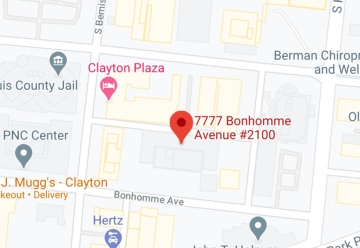
The lawsuit is filed in the circuit court for the county where the crash happened or where the defendant lives. For a St. Louis area crash, that often means the Circuit Court of the City of St. Louis or the St. Louis County Circuit Court in Clayton, each with its own judges, scheduling, and local rules.
Practical Ways to Protect the Legal Value of a Claim
Many claimants find it helpful to manage the claim as an evidence problem rather than an ongoing argument with the adjuster. The following steps can make the legal review more complete:
- Keep letters, emails, claim numbers, policy documents, repair estimates, bills, and payment records in one place.
- Request copies of important medical and employment records rather than relying on memory months later.
- Track missed work, changed duties, canceled projects, and lost benefits with dates and supporting documents.
- Avoid guesses about speed, distance, injuries, or fault when an insurer requests a statement.
- Review any broad medical authorization carefully, as it may permit access to records with little connection to the collision.
- Discuss any release forms an insurer presents to you with your lawyer before signing. This is important because the language in the form could undermine your claim and cost you a significant amount of money.
- Ask how medical liens, reimbursement rights, expenses, and fees will affect the net recovery.
These steps don’t replace case-specific legal advice. They give an attorney a clearer record to evaluate and reduce the chance that missing information will control the outcome.
Let a Missouri Car Accident Lawyer Guide You Through What Comes Next
The insurance company starts measuring its exposure as soon as it learns about the crash. You should have a team that will measure the case just as carefully and is ready to prove it in court.
Sumner Law Group, LLC is a boutique, trial-first firm. Other lawyers refer difficult cases to us because they know we build claims for serious scrutiny, not quick turnover. Our clients work directly with attorneys who know the evidence, the strategy, and the decisions ahead.
Call Sumner Law Group, LLC at (314) 669-0048 or use our online contact form for a free case evaluation. We charge no attorney’s fee unless we recover compensation. A Missouri car accident attorney from our firm can explain the next step without treating your case like another file in a settlement mill.